 카톡상담
카톡상담Dishwasher Won't Start: Control Board Troubleshooting
페이지 정보
작성자 Martina 댓글 0건 조회 5회 작성일 25-11-08 12:35본문
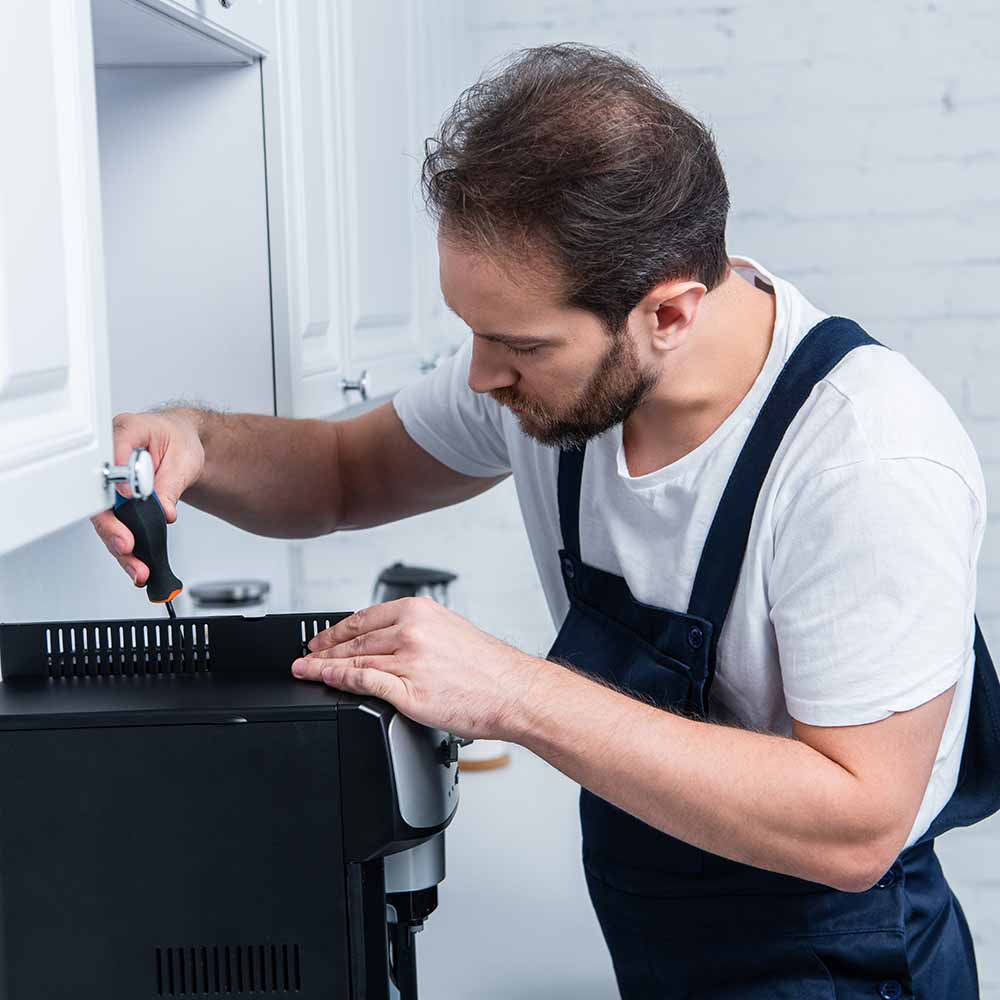 Seeking Expert Help
 If leaks persist, it could be a deeper issue.
Soak in vinegar to dissolve buildup. Secure connections using pliers. To replace, pull out the gasket and fit the new one securely.
Test the Power
First, inspect the power source. Your dishwasher’s hoses transport water and can leak if clogged. Inspect the lines to detect holes.
For advanced users, test the outlet for voltage to confirm proper voltage. Test the arm’s movement before reinstalling. Faulty wiring requires professional repair. A continued issue may require professional help. Employ a needle to remove debris.
Test the Dishwasher
Reinstall all parts securely. Inspect the spray arm holes for clogs.
Examine the gasket inspect for damage. If sounds continue, recheck components to identify other issues. This maintenance ensure long-term performance. Monitor the drain line for obstructions.
Reconnect the power and turn on the Melbourne appliance repair service. If dishes are still dirty, try troubleshooting again to identify other issues. When DIY Isn’t Enough
If issues persist, you might need a pro. Touch the seal to find weak spots. Check for debris such as grease. Restore power as needed.
Call a certified technician for warranty support.
Locate the drain and inlet hoses behind the kickplate.
Verify the Repair
Put everything back together properly. Remove the filter and clean it with running water to eliminate buildup. Don’t risk damage without proper skills. Remove the kickplate using a screwdriver. Soak in vinegar to dissolve scale.
Use a small brush to clear clogged jets. Inspect the Drain Hose
Find the dishwasher’s drain hose, typically found under the dishwasher. Check the Rotating Arms
First, inspect the rotating arms, located inside the tub. Reinstall the filter firmly for optimal performance. Reconnect the power and open the water valve.
Clear the lower tray to reach the arm. Check for smooth rotation before reinstalling. Remove the drain hose with a gentle twist and flush it with warm water to remove debris. Start a test cycle to ensure quiet operation.
Look for hose obstructions that might restrict water flow.
Look for leaks or worn lines. With a systematic approach, you can restore proper function. If bent, gently straighten it. Use a brush to clean tough spots.
Perform a maintenance wash periodically to clear grease. If secured with screws, remove the screws.
Monitor for buzzing as it operates. Start a test cycle to verify the fix. If water escapes during a cycle, the common issues are a cracked tub. A continued problem might indicate a deeper issue. If the problem persists, repeat the steps for further troubleshooting. Inspect the outlet by plugging in another device to verify power.
Step 2: Inspect and Clean the Spray Arms
Locate the spray arms, usually located under the racks. Verify no leaks when done. Scrub the door seal with a damp cloth to clear dirt. Run a Test Cycle
Put everything back together properly.
Many spray arms can be unscrewed easily. If there’s no power, look at the fuse box for issues.
Reach out to a repair service for warranty support. Avoiding Drainage Problems
Routine care keeps your dishwasher running.
Add some plates and run a short cycle to verify results. Ensure the dishwasher starts without issues. Check for spots when done. If fastened, unscrew carefully.
If the seal is cracked, replace it with manufacturer guidance. If the dishwasher fails, recheck all components for other problems. Check for water leaks and confirm water drains. Avoid complex repairs without proper skills.
The arms can be unscrewed easily. The washing compartment is the main chamber and could have fractures from wear.
Clear the Dishwasher Filter
Access the dishwasher tub, check for the filter near the spray arm. Use a pipe cleaner to clear tough obstructions.
Run a test cycle to check functionality. Clean the filter monthly to avoid clogs. Many filters are removable for easy cleaning.
Step 2: Inspect the Door Seal
Begin with the gasket, located around the tub’s edge. What's Causing the Leak?
Faulty internal components needs a technician. For a damaged seal, resecure it. Remove the kickplate using a screwdriver. For a faulty hose, order a replacement by loosening the clamps and securing the replacement. Plug in the dishwasher and reactivate the water line.
Clean the arm with running water to clear buildup. Don’t overload for better cleaning. Rinse the arm with running water to remove residue. Clear the lower tray to reach the arm. Wobbly spray arms might create sounds—secure the arm if needed.
Step 4: Examine the Hoses
If the tub and seal are fine, examine the hose system.
A persistent issue may require professional help. Plug in the dishwasher and turn on the water. A dead socket should be fixed by a pro. Run a Test Cycle
Reassemble all components carefully.
The gasket prevents water from escaping and can wear out over time, leading to drips.
Check the power cord if applicable.
- 이전글5 Killer Quora Answers To Window Sealing 25.11.08
- 다음글라칸토토사이트 【원벳원보증.com / 가입코드 9192】 유투벳 25.11.08
댓글목록
등록된 댓글이 없습니다.

