 카톡상담
카톡상담Revolutionizing Reclaimed Wood Dining Tables: Sustainable Innovation M…
페이지 정보
작성자 Hubert 댓글 0건 조회 11회 작성일 25-10-04 03:40본문
The reclaimed wood dining table has long been celebrated for its rustic charm, sustainability, and unique character. However, as consumer demands evolve and technology advances, the industry is witnessing a transformative shift. This article explores a demonstrable advance in reclaimed wood dining tables, focusing on innovative designs, sustainable practices, and enhanced functionality that surpass what was available in the past. By integrating cutting-edge technology, eco-conscious materials, and artisanal craftsmanship, the modern reclaimed wood dining table is redefining luxury, durability, and environmental stewardship.
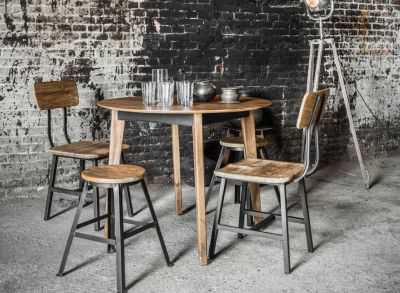
1. **Smart Integration: Reclaimed Wood Meets Technology**
One of the most significant advances in reclaimed wood dining tables is the integration of smart technology. Traditional tables, while beautiful, were static pieces of furniture. Today, designers are embedding technology seamlessly into these tables to enhance their functionality and appeal to tech-savvy consumers.
a. Built-In Wireless Charging Pads: Reclaimed wood tables now feature discreetly integrated wireless charging pads, allowing users to charge their devices directly on the table surface. This innovation eliminates the need for unsightly cords and adapters, maintaining the table’s aesthetic integrity while offering modern convenience.
b. LED Lighting Systems: Embedded LED lighting systems are another technological advancement. These lights can be customized to adjust brightness and color temperature, creating ambiance for various occasions. Some tables even feature app-controlled lighting, enabling users to set schedules or sync with smart home systems.
c. Temperature-Controlled Surfaces: For those who entertain frequently, tables with temperature-controlled surfaces are a game-changer. These surfaces can be cooled to keep beverages chilled or warmed to maintain the temperature of hot dishes, blending practicality with luxury.
2. **Advanced Sustainability Practices: Beyond Reclamation**
While reclaimed wood itself is inherently sustainable, modern advancements have taken this a step further by incorporating additional eco-friendly practices and materials.
a. Zero-Waste Manufacturing: Manufacturers are adopting zero-waste production methods, ensuring that every piece of wood is utilized efficiently. Sawdust and wood scraps are repurposed into composite materials, biofuel, or mulch, minimizing environmental impact.
b. Non-Toxic Finishes: Traditional finishes often contained harmful chemicals like VOCs (volatile organic compounds). Today, water-based, non-toxic finishes are the norm, ensuring that the tables are safe for both the environment and wooden table the end-user.
c. Carbon-Neutral Shipping: Companies are offsetting their carbon footprint by using carbon-neutral shipping methods and partnering with reforestation initiatives. This holistic approach to sustainability extends beyond the product itself to the entire supply chain.
3. **Modular and Transformable Designs: Adaptability for Modern Lifestyles**
The modern reclaimed wood dining table is no longer a static piece of furniture. Designers are creating modular and transformable tables that adapt to the evolving needs of homeowners.
a. Extendable Tables: Reclaimed wood tables now feature innovative extension mechanisms that allow them to expand or contract based on the number of guests. These mechanisms are often hidden, preserving the table’s sleek design.
b. Multi-Functional Tables: Some tables double as workstations or storage units. For example, tables with built-in drawers or compartments provide additional functionality, making them ideal for small living spaces.
c. Foldable and Stackable Designs: For those with limited space, foldable or stackable reclaimed wood tables offer unparalleled versatility. These designs can be easily stored when not in use, making them perfect for urban apartments.
4. **Artisanal Craftsmanship Meets Precision Engineering**
While reclaimed wood dining tables have always been valued for their handcrafted appeal, modern advancements have elevated the craftsmanship to new heights. Precision engineering ensures that each table is not only aesthetically pleasing but also structurally sound and durable.
a. CNC Machining: Computer Numerical Control (CNC) machining allows for intricate designs and precise joinery that would be impossible to achieve by hand. This technology ensures consistency and quality across every piece.
b. 3D Printing for Customization: Some manufacturers are using 3D printing to create custom components, allowing customers to personalize their tables with unique patterns, inlays, or even integrated artwork.
c. Hand-Finished Details: Despite the use of advanced technology, many tables still feature hand-finished details, such as hand-rubbed finishes or hand-carved accents. This blend of machine precision and human touch results in truly one-of-a-kind pieces.
5. **Enhanced Durability and Longevity: Built to Last Generations**
Modern reclaimed wood dining tables are designed with longevity in mind. Advances in materials and construction techniques ensure that these tables can withstand the test of time, both in terms of durability and style.
a. Weather-Resistant Treatments: For outdoor or high-moisture environments, reclaimed wood tables are treated with advanced weather-resistant coatings that protect against warping, cracking, and fading without compromising the wood’s natural beauty.
b. Reinforced Joinery: Traditional joinery techniques are enhanced with modern adhesives and fasteners, ensuring that the wooden table remains stable and sturdy even after years of use.
c. Scratch-Resistant Surfaces: Innovative surface treatments, such as ceramic or glass coatings, protect the table from scratches and stains, making it easier to maintain and extending its lifespan.
6. **Global Design Influences: A Fusion of Cultures and Styles**
The reclaimed wood dining table is no longer limited to rustic or farmhouse styles. Designers are drawing inspiration from global traditions and contemporary trends, resulting in a diverse range of options that cater to various tastes.
a. Scandinavian Minimalism: Clean lines, light finishes, and simple forms characterize Scandinavian-inspired reclaimed wood tables, appealing to those who prefer a minimalist aesthetic.
b. Industrial Chic: Tables with metal accents, exposed hardware, and raw finishes embody the industrial chic style, blending reclaimed wood with urban sophistication.
c. Asian-Inspired Elegance: Tables featuring intricate carvings, lacquered finishes, or traditional joinery techniques pay homage to Asian craftsmanship, adding a touch of exotic elegance to any space.
7. **Community and Storytelling: Connecting Consumers to the Past**
One of the most compelling advances in reclaimed wood dining tables is the emphasis on storytelling. Manufacturers are now providing detailed histories of the wood used in each table, connecting consumers to the material’s origins and fostering a sense of community.
a. Certified Provenance: Many tables come with certificates of authenticity that trace the wood’s history, whether it was salvaged from old barns, factories, or ships. This transparency adds emotional value to the product.
b. Collaborative Projects: Some companies partner with local artisans or communities to create tables that support social causes or preserve cultural heritage. These collaborative projects not only produce beautiful furniture but also contribute to positive social impact.
c. Custom Engravings and Inscriptions: Customers can personalize their tables with engravings or inscriptions that tell their own stories, making each piece a cherished family heirloom.
Conclusion: The Future of Reclaimed Wood Dining Tables
The reclaimed wood dining table has evolved far beyond its humble origins, becoming a symbol of innovation, sustainability, and timeless elegance. By integrating smart technology, advancing sustainability practices, embracing modular designs, and elevating craftsmanship, these tables are setting new standards in the furniture industry. As consumers increasingly prioritize eco-conscious living and personalized design, the reclaimed wood dining table is poised to remain a centerpiece of modern homes for generations to come. Its ability to blend the past with the future makes it not just a piece of furniture, but a testament to human ingenuity and our enduring connection to nature.
- 이전글Poker Online: What A Mistake! 25.10.04
- 다음글The four Stages Of Diabetic Retinopathy 25.10.04
댓글목록
등록된 댓글이 없습니다.

