 카톡상담
카톡상담Redundancy in Critical Systems
페이지 정보
작성자 Donnie 댓글 0건 조회 23회 작성일 25-07-26 04:32본문
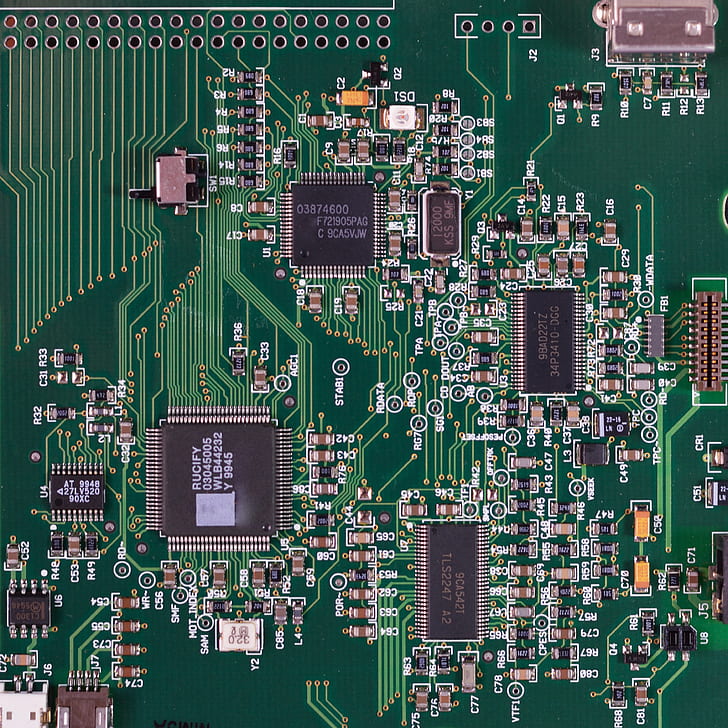 Redundancy in Critical Systems is a highly regarded concept in the design and operation of mission-critical infrastructure and ic electronic components systems that is based on the idea that in the event of a component failure or other operational issue, there should be a backup system in place to prevent complete system failure.
One of the primary reasons for redundancy in electronic systems is to ensure high availability and reliability. In such critical systems, downtime or system failure can have severe consequences, including financial losses, damage to equipment or facilities, and even loss of human life. Redundancy helps minimize these risks by providing an alternate means of operation, ultimately leading to higher system uptime and longer system lifespan.
There are several types of redundancy in electronic systems, including:
- Hardware redundancy: This involves duplicating critical hardware components, such as circuit boards, power supplies, or sensors, to ensure that if one component fails, the system can continue to operate normally. This type of redundancy is commonly used in safety-critical systems such as aircraft flight control systems, nuclear power plants, and emergency response systems where lives are at risk.
- Software redundancy: This involves duplicating critical software components or functions to ensure that if one component fails, the system can continue to operate normally. This type of redundancy is commonly used in systems such as network routers, firewalls, and other network equipment designed to prevent cyber threats.
- Power redundancy: This involves duplicating power sources, such as backup generators or uninterruptible power supplies (UPS), to ensure that if one power source fails, the system can continue to operate normally. This type of redundancy is commonly used in systems such as data centers, hospitals, and other high-availability facilities that require uninterrupted power supply.
- Active redundancy: In this type of redundancy, duplicate components or systems operate simultaneously, providing an active backup, allowing fast system recovery in the event of a failure.
- Standby redundancy: In this type of redundancy, duplicate components or systems are placed on standby, waiting to be activated in the event of a failure, reducing downtime and preventing financial losses.
- Cold redundancy: In this type of redundancy, duplicate components or systems are maintained in a dormant state, waiting to be activated in the event of a failure, eliminating the need for repairs.
In addition to ensuring high availability and reliability, redundancy can also provide other benefits, such as:
Improved system resilience: Redundancy helps systems recover quickly from failures, reducing the impact of downtime and reducing losses.
Reduced maintenance costs: Redundant systems require less maintenance, as the standby system can take over in the event of a failure, reducing the need for frequent repairs.
- Increased safety: In safety-critical systems, redundancy can be a lifesaving measure, helping to prevent accidents and ensure the well-being of personnel.
댓글목록
등록된 댓글이 없습니다.

