 카톡상담
카톡상담Everything You Need To Know About Blue Shepherds
페이지 정보
작성자 Alta 댓글 0건 조회 4회 작성일 25-04-27 17:21본문

The Versatile and Loyal Blue Shepherd: A Comprehensive Guide
The Blue Shepherd, also understood as the Blue German Shepherd, is a striking and intelligent breed that has caught the hearts of dog lovers worldwide. With their unique coat color and exceptional working capabilities, these dogs are more than simply a pretty face. This article looks into the history, characteristics, care, and frequently asked questions about heaven Shepherd, providing a thorough guide for anyone considering adding one to their family.
History and Origin
Heaven Shepherd is a variant of the German Shepherd, a breed that came from Germany in the late 19th century. Established by Captain Max von Stephanitz, the German Shepherd was at first reproduced for herding and protecting sheep. The blue coat color is an outcome of a recessive gene, making it less typical than the conventional sable or black and tan coats. In spite of their rarity, Blue Shepherds share the exact same lineage and Deutsche schäferhunde kaufen characteristics as their standard equivalents.
Physical Characteristics
Size and Weight:
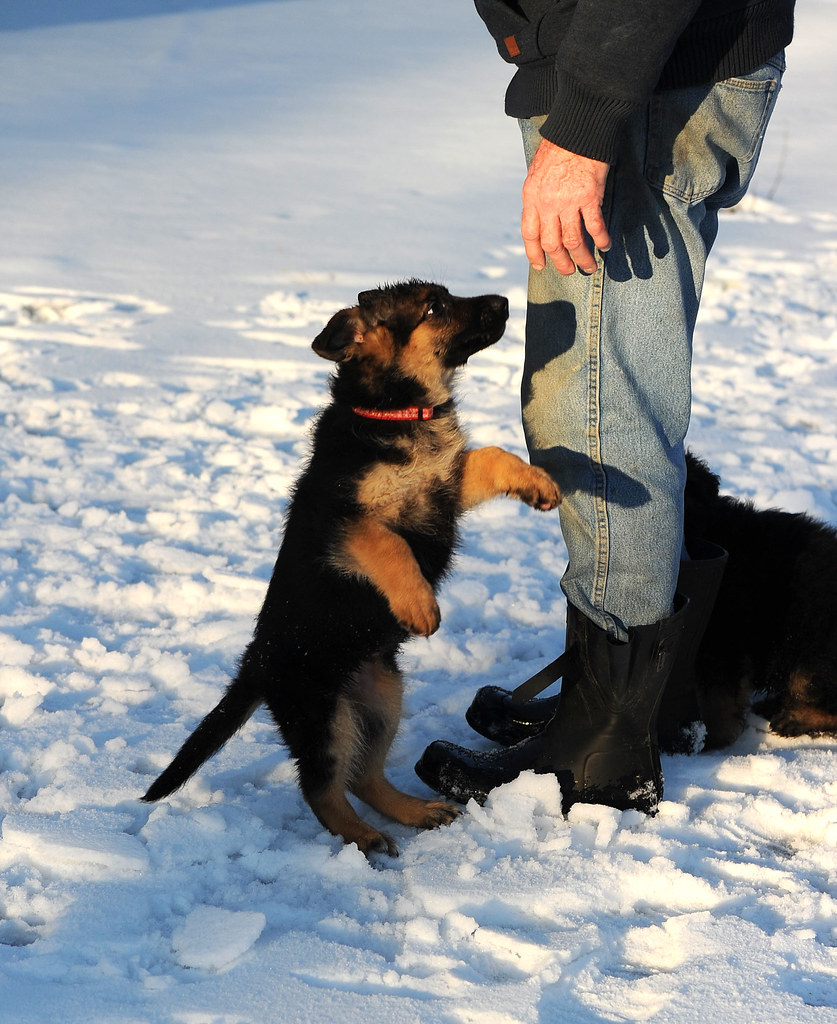
- Height: Males normally stand in between 24 to 26 inches (60 to 66 cm) at the shoulder, while women are a little smaller, varying from 22 to 24 inches (55 to 61 cm).
- Weight: Males typically weigh between 65 to 90 pounds (29 to 41 kg), and females in between 50 to 70 pounds (23 to 32 kg).
Coat and Color:
- Coat: The Blue Shepherd has a double coat, with a thick undercoat and a longer external coat. This coat is created to safeguard them from extreme climate condition.
- Color: The blue color can vary from a light silver-blue to a deep charcoal. Some Blue Shepherds might have a combination of blue and black or silver markings.
Eyes and Ears:
- Eyes: Typically dark brown, though some Blue Shepherds may have lighter eyes.
- Ears: Medium-sized and deutscher schäFerhund schwarz Kaufen erect, offering them an honorable and alert look.
Temperament and Personality
Blue Shepherds are known for their intelligence, loyalty, and protectiveness. They are extremely trainable and stand out in numerous roles, consisting of cops work, search and rescue, and as service dogs. Their strong herding instincts make them outstanding guardians and protectors of their households and homes.
Key Traits:
- Intelligence: Blue Shepherds are among the most intelligent dog types, efficient in finding out brand-new commands rapidly.
- Loyalty: They form strong bonds with their households and are known for their steadfast commitment.
- Protectiveness: Blue Shepherds are naturally protective and will safeguard their family and territory if required.
- Energy Levels: They have high energy levels and require routine exercise and SchäFerhund baby kaufen psychological stimulation to avoid monotony and harmful habits.
Care and Maintenance
Exercise:
- Daily Exercise: Blue Shepherds need a minimum of 1 to 2 hours of exercise daily, including strolls, runs, and playtime.
- Psychological Stimulation: Engage them in activities like obedience training, agility courses, and puzzle toys to keep their minds active.
Grooming:
- Brushing: Regular brushing (2-3 times a week) is necessary to keep their coat healthy and free of tangles.
- Bathing: Bathe them every 2-3 months or as required, utilizing a mild dog hair shampoo.
- Nail Trimming: Trim their nails every 2-3 weeks to avoid overgrowth and pain.
- Dental Care: Brush their teeth 2-3 times a week to maintain great oral health.
Diet plan:
- Nutrition: Feed them a top quality, well balanced diet suitable for their age and activity level.
- Portion Control: Monitor their food consumption to prevent weight problems, which can result in health issues.
Health:
- Common Health Issues: Blue Shepherds are prone to certain health problems, consisting of hip dysplasia, elbow dysplasia, and degenerative myelopathy. Routine veterinarian check-ups and hereditary testing can help handle these conditions.
- Vaccinations and Preventive Care: Keep their vaccinations as much as date and follow a routine preventive care routine, consisting of flea and tick control.
Training and Socialization
Training:
- Positive Reinforcement: Use positive support strategies, such as treats and appreciation, to train your Blue Shepherd.
- Consistency: Be constant with commands and rules to guarantee they understand what is anticipated of them.
- Early Training: Start training early to develop etiquette and develop a strong bond.
Socialization:
- Exposure to Different Environments: Expose your Blue Shepherd to various environments, people, and animals to assist them end up being well-adjusted and confident.
- Socialization Classes: Consider enrolling them in socializing classes to assist them interact positively with others.
Frequently asked questions
1. Are Blue Shepherds Rare?
- Yes, Blue Shepherds are reasonably rare due to the recessive gene accountable for their blue coat color. This makes them less typical than basic German Shepherds.
2. How Much Exercise Do Blue Shepherds Need?
- Blue Shepherds require a minimum of 1 to 2 hours of workout daily, including strolls, runs, and playtime. They likewise gain from psychological stimulation activities like obedience training and puzzle toys.
3. Are Blue Shepherds Good with Children?
- Yes, Blue Shepherds can be excellent household pet dogs and are typically great with kids. However, early socializing and training are crucial to guarantee they behave properly around kids.
4. Do Blue Shepherds Shed a Lot?
- Yes, Blue Shepherds have a double coat and shed moderately throughout the year, with much heavier shedding throughout seasonal modifications. Regular brushing can assist manage shedding.
5. What Health Issues Are Common in Blue Shepherds?
- Typical health problems in Blue Shepherds consist of hip dysplasia, elbow dysplasia, and degenerative myelopathy. Regular veterinarian check-ups and hereditary screening can assist manage these conditions.
6. Are Blue Shepherds Easy to Train?
- Yes, Blue Shepherds are extremely smart and trainable. They respond well to positive support methods and are quick to learn brand-new commands.
7. Just How Much Do Blue Shepherds Cost?
- The expense of a Blue Shepherd can vary depending on factors such as breeder credibility, location, and lineage. On average, a Blue Shepherd puppy can cost in between ₤ 1,000 and ₤ 3,000.
Heaven Shepherd is an exceptional breed that integrates appeal, intelligence, and commitment. Whether you are trying to find a household companion, a working dog, or a faithful protector, a Blue Shepherd can be an exceptional option. With appropriate care, training, Deutsche schäFerhundwelpen and socializing, these dogs can flourish and bring delight to your life. If you are thinking about including a Blue Shepherd to your household, put in the time to research and prepare to ensure you can offer the finest possible home for this terrific type.
댓글목록
등록된 댓글이 없습니다.

