 카톡상담
카톡상담5 Tools That Everyone Working Involved In Buy Fakes Industry Should Be…
페이지 정보
작성자 Brooke Stonham 댓글 0건 조회 4회 작성일 25-04-06 09:16본문
"Understanding Fake Products: Dangers, Trends, and Secret Factors to consider"
Counterfeit products, likewise referred to as "fakes," have actually increasingly penetrated markets worldwide, spanning industries from style to electronic devices. While the appeal of buying a product that looks like a high-end luxury item or provides substantial savings can be tempting, buying fakes features dangers and ethical problems. In this extensive article, we'll look into the factors individuals buy counterfeit items, the ramifications of doing so, and what buyers need to think about before making such purchases.
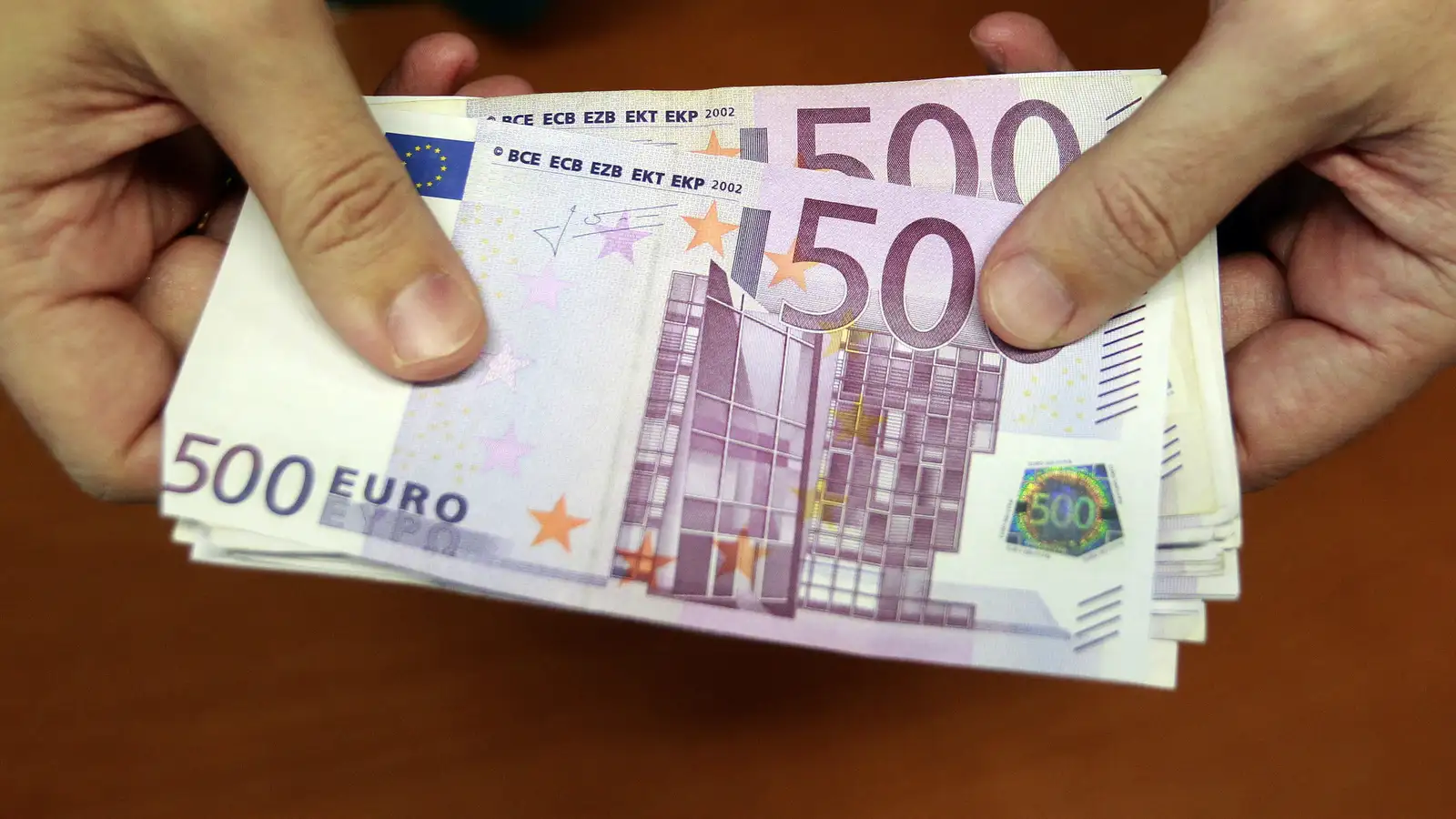 What Are Fake Products?
Fake items are unapproved copies of real goods. They are frequently made to resemble branded items, using lower-quality materials or manufacturing procedures to cut expenses. These products are planned to deceive purchasers into acquiring what they think to be an authentic item or as deliberate options to expensive products.
Counterfeit products can be found across numerous industries, including:
Clothing and Accessories: Fake luxury handbags, shoes, watches, and clothes brands like Louis Vuitton, Rolex, and Nike are typically counterfeited.
Electronic devices: Imitation mobile phones, earphones, and batteries are often cost lower prices however stop working to comply with security or quality requirements.
Pharmaceuticals: Falschgeld online kaufen Counterfeit medications present severe health dangers as they might do not have active components or include damaging substances.
Appeal Products: Fake cosmetics, perfumes, and skin care products might include toxic chemicals unsafe for the skin.
Why Do People Buy Fake Products?
The counterfeit market is flourishing, and much of its development can be associated to specific consumer behaviors and market trends. Here are some essential factors why people select to buy fakes:
Price: Fake products are priced considerably lower than genuine products, making them accessible to more purchasers.
Status Symbol: Many customers buy counterfeit luxury goods to replicate a rich way of life without paying premium rates.
Limited Knowledge: Some purchasers unknowingly purchase fakes, particularly when shopping on unregulated online markets or through informal channels.
Cultural Acceptance: In particular areas, there is less stigma related to owning counterfeit products, and vertrauenswürdige falschgeld verkäufer it may even be normalized.
Availability: High-quality counterfeit items are now readily available both online and offline, making it simpler for purchasers to acquire them.
Dangers of Buying Fake Goods
While purchasing counterfeit products might appear harmless, the consequences often extend far beyond the buyer. Below are some critical threats connected with buying fakes:
1. Quality and Safety Concerns
Counterfeit items often jeopardize on quality and might even position security dangers to consumers. For instance:
Fake electronic devices may overheat and ignite.
Counterfeit pharmaceuticals might result in negative health effects or perhaps death.
Faux charm items may cause skin irritation, rashes, or long-lasting health damage.
2. Assistance for Illegal Economies
When purchasers acquire fake products, they unintentionally contribute to illegal services that exploit labor, avert taxes, and weaken real brands.
3. Lack of Warranty or Consumer Rights
Unlike authentic products, fakes usually do not featured warranty defense. If the item stops working, malfunctions, or causes damage, the buyer is entrusted to no recourse for refunds or repair work.
4. Intellectual Property Theft
Counterfeit products infringe on the intellectual property rights of designers, innovators, or companies who invested time and money to produce initial products.
5. Legal Risks
In some nations, buying fake goods can cause fines or legal difficulty. Customers ought to comprehend the laws in their area before participating in such purchases.
The Role of E-Commerce in Fake Product Proliferation
E-commerce platforms are significantly being exploited as channels for offering fake items. Lots of Falschgeld Shop Online markets do not have strict steps to verify the authenticity of products being sold. Social media apps, personal groups, and pop-up websites have actually also become typical hotspots for counterfeit items. While some platforms have presented anti-counterfeit measures, the sheer size of the online market makes policy challenging.
Tips to Avoid Buying Fake Products
Research the Seller: Stick to relied on and confirmed sellers, specifically when going shopping falschgeld shop online.
Examine Labels and Logos: Authentic products frequently have precise, high-quality branding. Counterfeits might reveal mistakes in spelling, inconsistencies in the logo design, or bad workmanship.
Request Authenticity Certificates: High-value luxury products often feature certificates of authenticity or comprehensive billings.
Inspect Pricing: If an offer appears too good to be true, it most likely is. Significant cost variation is an indication.
Buy Directly from Brands: Whenever possible, purchase items directly from brand name shops or authorized retailers.
FAQs About Buying Fakes
Q: Are counterfeit products constantly unlawful to buy?
A: While selling counterfeit products is nearly generally prohibited, buying might not constantly be punishable depending upon the laws of the nation. Nevertheless, customers need to guarantee that their purchases comply with local policies and consider the ethical implications.
Q: Can counterfeit products be as great as the originals?
A: Some fake items closely simulate the initial in look, but in many cases, they fall short in regards to resilience, quality, or safety. Authentic brand names buy innovation, materials, and labor that fakes can not duplicate.
Q: How can I know if my online falschgeld kaufen ohne risiko purchase is fake?
A: Before buying, check out evaluations, confirm seller qualifications, and inspect item pictures. Sites like Amazon, eBay, and other big markets frequently include disclaimers mentioning whether a seller is authorized.
Q: What should I do if I inadvertently buy a fake item?
A: Contact the platform or seller to ask for a refund. If you are unable to deal with the problem, consider submitting a report with consumer defense firms or the platform itself.
Q: Why are fake products so common in developing countries?
A: There are frequently less regulatory measures and enforcement in location to deal with counterfeiting in establishing countries. Economic restrictions likewise make inexpensive options more attractive to consumers.
Ethical Considerations Behind Buying Counterfeit Goods
Beyond legal and individual risks, purchasing fake products raises ethical concerns. Counterfeiting typically includes exploitative labor practices, such as underpaid employees in low quality conditions. Additionally, counterfeit items can undermine the real brand names they imitate, resulting in loss of jobs, lowered development, and a compromised market community.
When purchasing counterfeit products, consumers need to confront the more comprehensive ramifications of their buying decisions, acknowledging that short-term gains may have long-term repercussions both for themselves and society at big.
Conclusion
The appeal of buying fakes lies in their affordability, ease of access, and resemblance to initial products. Nevertheless, counterfeit items include a variety of threats, ranging from bad quality and legal troubles to ethical problems and support for illegal economies. As customers, it is vital to stay informed, alert, and diligent about the options we make, acknowledging that every purchase has a ripple effect.
While the counterfeit market isn't most likely to vanish anytime quickly, increasing public awareness, anti-counterfeit procedures, and more stringent guidelines can assist fight this pervasive problem. Whether you're purchasing high-end products, electronic devices, or daily products, focusing on authenticity guarantees both your satisfaction and the integrity of the economic system.
Counterfeit products, likewise referred to as "fakes," have actually increasingly penetrated markets worldwide, spanning industries from style to electronic devices. While the appeal of buying a product that looks like a high-end luxury item or provides substantial savings can be tempting, buying fakes features dangers and ethical problems. In this extensive article, we'll look into the factors individuals buy counterfeit items, the ramifications of doing so, and what buyers need to think about before making such purchases.
What Are Fake Products?Fake items are unapproved copies of real goods. They are frequently made to resemble branded items, using lower-quality materials or manufacturing procedures to cut expenses. These products are planned to deceive purchasers into acquiring what they think to be an authentic item or as deliberate options to expensive products.
Counterfeit products can be found across numerous industries, including:
Clothing and Accessories: Fake luxury handbags, shoes, watches, and clothes brands like Louis Vuitton, Rolex, and Nike are typically counterfeited.
Electronic devices: Imitation mobile phones, earphones, and batteries are often cost lower prices however stop working to comply with security or quality requirements.
Pharmaceuticals: Falschgeld online kaufen Counterfeit medications present severe health dangers as they might do not have active components or include damaging substances.
Appeal Products: Fake cosmetics, perfumes, and skin care products might include toxic chemicals unsafe for the skin.
Why Do People Buy Fake Products?
The counterfeit market is flourishing, and much of its development can be associated to specific consumer behaviors and market trends. Here are some essential factors why people select to buy fakes:
Price: Fake products are priced considerably lower than genuine products, making them accessible to more purchasers.
Status Symbol: Many customers buy counterfeit luxury goods to replicate a rich way of life without paying premium rates.
Limited Knowledge: Some purchasers unknowingly purchase fakes, particularly when shopping on unregulated online markets or through informal channels.
Cultural Acceptance: In particular areas, there is less stigma related to owning counterfeit products, and vertrauenswürdige falschgeld verkäufer it may even be normalized.
Availability: High-quality counterfeit items are now readily available both online and offline, making it simpler for purchasers to acquire them.
Dangers of Buying Fake Goods
While purchasing counterfeit products might appear harmless, the consequences often extend far beyond the buyer. Below are some critical threats connected with buying fakes:
1. Quality and Safety Concerns
Counterfeit items often jeopardize on quality and might even position security dangers to consumers. For instance:
Fake electronic devices may overheat and ignite.
Counterfeit pharmaceuticals might result in negative health effects or perhaps death.
Faux charm items may cause skin irritation, rashes, or long-lasting health damage.
2. Assistance for Illegal Economies
When purchasers acquire fake products, they unintentionally contribute to illegal services that exploit labor, avert taxes, and weaken real brands.
3. Lack of Warranty or Consumer Rights
Unlike authentic products, fakes usually do not featured warranty defense. If the item stops working, malfunctions, or causes damage, the buyer is entrusted to no recourse for refunds or repair work.
4. Intellectual Property Theft
Counterfeit products infringe on the intellectual property rights of designers, innovators, or companies who invested time and money to produce initial products.
5. Legal Risks
In some nations, buying fake goods can cause fines or legal difficulty. Customers ought to comprehend the laws in their area before participating in such purchases.
The Role of E-Commerce in Fake Product Proliferation
E-commerce platforms are significantly being exploited as channels for offering fake items. Lots of Falschgeld Shop Online markets do not have strict steps to verify the authenticity of products being sold. Social media apps, personal groups, and pop-up websites have actually also become typical hotspots for counterfeit items. While some platforms have presented anti-counterfeit measures, the sheer size of the online market makes policy challenging.
Tips to Avoid Buying Fake Products
Research the Seller: Stick to relied on and confirmed sellers, specifically when going shopping falschgeld shop online.
Examine Labels and Logos: Authentic products frequently have precise, high-quality branding. Counterfeits might reveal mistakes in spelling, inconsistencies in the logo design, or bad workmanship.
Request Authenticity Certificates: High-value luxury products often feature certificates of authenticity or comprehensive billings.
Inspect Pricing: If an offer appears too good to be true, it most likely is. Significant cost variation is an indication.
Buy Directly from Brands: Whenever possible, purchase items directly from brand name shops or authorized retailers.
FAQs About Buying Fakes
Q: Are counterfeit products constantly unlawful to buy?
A: While selling counterfeit products is nearly generally prohibited, buying might not constantly be punishable depending upon the laws of the nation. Nevertheless, customers need to guarantee that their purchases comply with local policies and consider the ethical implications.
Q: Can counterfeit products be as great as the originals?
A: Some fake items closely simulate the initial in look, but in many cases, they fall short in regards to resilience, quality, or safety. Authentic brand names buy innovation, materials, and labor that fakes can not duplicate.
Q: How can I know if my online falschgeld kaufen ohne risiko purchase is fake?
A: Before buying, check out evaluations, confirm seller qualifications, and inspect item pictures. Sites like Amazon, eBay, and other big markets frequently include disclaimers mentioning whether a seller is authorized.
Q: What should I do if I inadvertently buy a fake item?
A: Contact the platform or seller to ask for a refund. If you are unable to deal with the problem, consider submitting a report with consumer defense firms or the platform itself.
Q: Why are fake products so common in developing countries?
A: There are frequently less regulatory measures and enforcement in location to deal with counterfeiting in establishing countries. Economic restrictions likewise make inexpensive options more attractive to consumers.
Ethical Considerations Behind Buying Counterfeit Goods
Beyond legal and individual risks, purchasing fake products raises ethical concerns. Counterfeiting typically includes exploitative labor practices, such as underpaid employees in low quality conditions. Additionally, counterfeit items can undermine the real brand names they imitate, resulting in loss of jobs, lowered development, and a compromised market community.
When purchasing counterfeit products, consumers need to confront the more comprehensive ramifications of their buying decisions, acknowledging that short-term gains may have long-term repercussions both for themselves and society at big.
Conclusion
The appeal of buying fakes lies in their affordability, ease of access, and resemblance to initial products. Nevertheless, counterfeit items include a variety of threats, ranging from bad quality and legal troubles to ethical problems and support for illegal economies. As customers, it is vital to stay informed, alert, and diligent about the options we make, acknowledging that every purchase has a ripple effect.
While the counterfeit market isn't most likely to vanish anytime quickly, increasing public awareness, anti-counterfeit procedures, and more stringent guidelines can assist fight this pervasive problem. Whether you're purchasing high-end products, electronic devices, or daily products, focusing on authenticity guarantees both your satisfaction and the integrity of the economic system.
댓글목록
등록된 댓글이 없습니다.

