 카톡상담
카톡상담What's Holding Back What's Holding Back The B1 Certificate Without Exa…
페이지 정보
작성자 Debbra 댓글 0건 조회 5회 작성일 25-04-02 12:09본문
The Elusive B1 Certificate Without an Exam: Fact vs. Fiction
In a world progressively interconnected, demonstrating your language proficiency through certifications has actually become undeniably important. Whether for academic pursuits, career development, or migration functions, a certificate like the B1 level in a foreign language can open doors. For many, the Common European Framework of Reference for Languages (CEFR) B1 level represents a substantial turning point, symbolizing intermediate language abilities-- the capability to comprehend the primary points of clear standard input on familiar matters, produce basic connected text on subjects that recognize or of individual interest, and explain experiences and events, dreams, hopes and ambitions, and briefly give factors and explanations for viewpoints and plans.
Nevertheless, the prospect of sitting for an official exam can frequently feel complicated. It's no surprise that many language students look for alternative paths, questioning if it's possible to acquire a sought after B1 certificate without the pressure of a conventional examination. The question then arises: Is it truly possible to get a B1 certificate without an exam, or is this merely a misconception or a misunderstanding?
This post explores the realities of B1 certification, checking out the typical pathways, exposing misconceptions, and clarifying whether a genuine "exam-free" telc b1 certificate certificate is within reach. We will browse the nuances of language assessment and explore alternative methods that might appear to bypass the exam path, while ultimately comprehending the core principles behind language accreditation.
The Standard Route: B1 Certification Through Examination
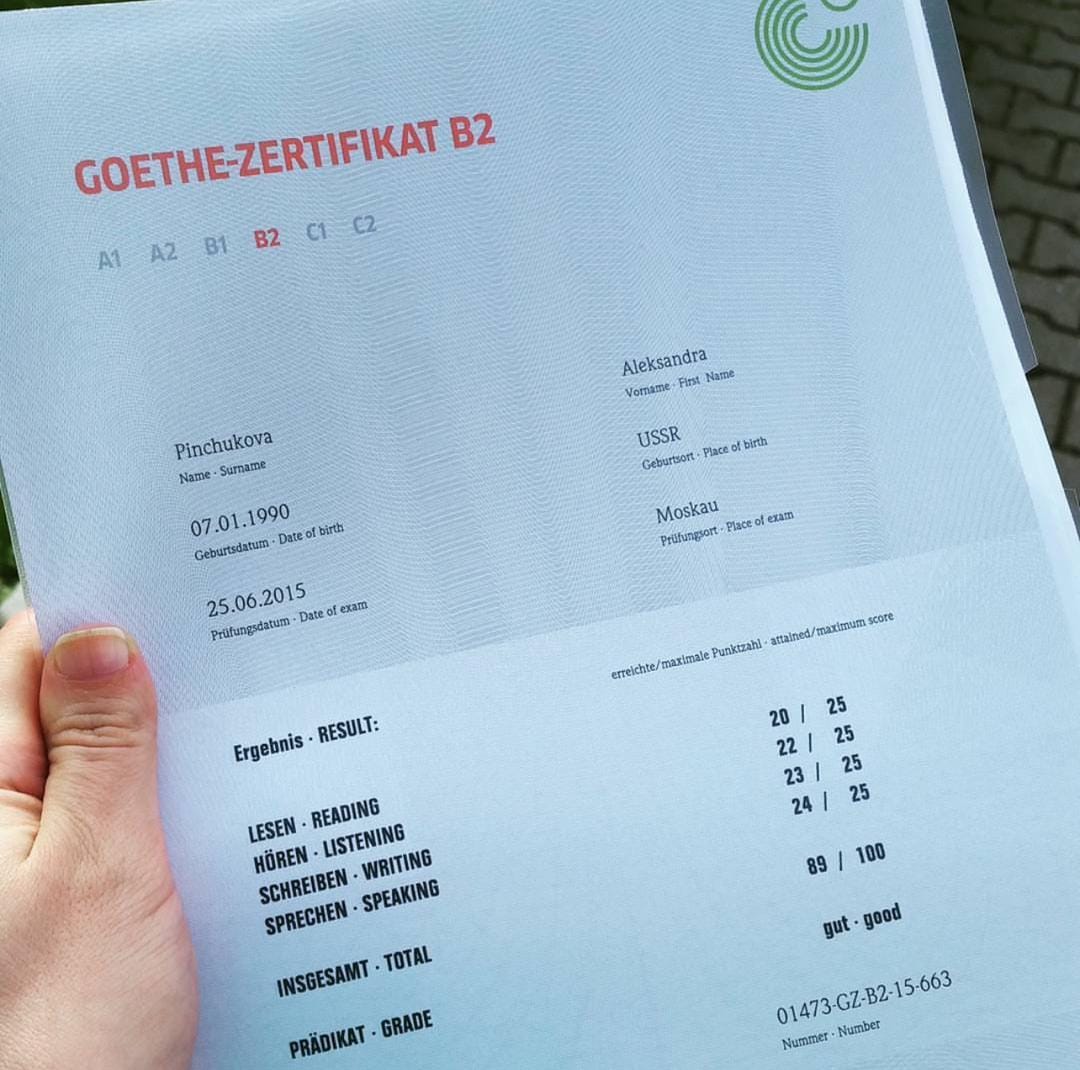
Let's very first address the most standard and commonly accepted path to getting a B1 certificate: passing a recognized B1 level exam. Many reputable language screening companies all over the world deal examinations specifically designed to evaluate language efficiency according to the CEFR levels. These exams, frequently administered by organizations like Cambridge Assessment English, Goethe-Institut, Alliance Française, Instituto Cervantes, and others, are meticulously structured to assess your skills in:
- Reading Comprehension: Understanding composed texts on familiar subjects.
- Listening Comprehension: Following conversations and spoken products at a basic rate.
- Writing: Producing basic, coherent texts like essays, letters, or emails.
- Speaking: Participating in conversations, expressing opinions, and describing experiences.
These exams are standardized and carefully examined to guarantee that certificate holders really have the language abilities connected with the B1 level. They are worldwide acknowledged and frequently needed by educational organizations, employers, and migration authorities as undeniable evidence of language competency.
Why Exams are the Cornerstone of B1 Certification
The dependence on examinations for B1 accreditation is not arbitrary. Exams serve a number of important purposes:
- Standardization and Objectivity: Exams offer a standardized and unbiased procedure of language proficiency. Regardless of where you discover or who teaches you, a B1 exam strives to examine your abilities against a constant criteria. This objectivity is essential for the trustworthiness and acknowledgment of the certificate.
- Reliability and Validity: Reputable exam companies invest greatly in establishing legitimate and trusted assessments. This suggests the exams are designed to precisely measure the particular abilities connected with the b1 zertifikat deutsch level (credibility) and regularly produce similar results for individuals with equivalent language abilities (dependability).
- International Recognition and Acceptance: Certificates obtained through recognized exams are widely accepted and relied on internationally because they are seen as a trusted indicator of language skills. This international acknowledgment is paramount for people using their certificates for worldwide mobility or professional opportunities.
- Quality Assurance: The strenuous evaluation procedure serves as a form of quality control for language knowing organizations and methods. It motivates learners and educators to make every effort for verifiable efficiency that can be validated through external evaluation.
The Myth of the "No Exam" B1 Certificate
Provided the fundamental role of exams in making sure the validity and acknowledgment of wo kann man b1 Prüfung Machen certifications, the idea of obtaining a authentic and commonly accepted B1 certificate without any type of evaluation is mainly a myth. Organizations offering official B1 accreditations are devoted to keeping the integrity and trustworthiness of the CEFR framework. Therefore, they universally depend on some form of evaluation to confirm a candidate's language skills.
However, the desire for a "no exam" path frequently stems from a desire for:
- Less Stressful Assessment: Traditional examinations can be anxiety-inducing. Learners might look for options that feel less pressured or more incorporated into their learning procedure.
- Faster Certification: Exam preparation and waiting for outcomes can take some time. Some learners might try to find quicker routes to certification, possibly due to pressing due dates.
- Viewed Cost Savings: Exam charges can be an aspect. Students may wish to discover cheaper or totally free options to formal examinations.
Exploring Potential Misunderstandings and Alternative Approaches

While a completely exam-free, widely acknowledged B1 certificate is unlikely, there might be circumstances and programs that provide the impression of bypassing traditional exams, or offer alternative assessment approaches. It's important to comprehend the subtleties:
Intensive Language Courses with Integrated Assessment: Some intensive language courses, especially those provided by respectable institutions, may incorporate continuous assessment throughout the program. Instead of a single high-stakes final exam, students might be assessed through regular coursework, projects, presentations, and participation. Effectively finishing such a course might cause a certificate from the organization suggesting B1 level efficiency. Nevertheless, this institution-specific certificate is typically NOT the like an internationally acknowledged, standardized B1 certificate from a major exam provider. It mainly signifies that the student has actually finished the course at the B1 level according to that institution's requirements.
Internal Assessments within Educational Institutions: Universities or schools might have internal assessment treatments to identify the language efficiency of their students. For example, passing a B1 level language module within a university curriculum may be recorded on a transcript. Again, this is evidence of B1 level within that specific scholastic context and may not be widely acknowledged as a standalone B1 certificate for external purposes.
Acknowledgment of Prior Learning (RPL) in Very Specific Contexts: In incredibly uncommon and highly specific circumstances, some organizations may consider prior learning and experience as proof of B1 level efficiency. This is highly not likely for basic language certification and would be remarkably context-dependent. For instance, if somebody has actually worked thoroughly in a language-dominant environment, they may potentially be approved some type of acknowledgment by a particular employer. Nevertheless, this is not a standardized route to a B1 certificate and is not relevant in the majority of scenarios looking for official certification.
Online "Certificates" of Questionable Validity: Be mindful of online platforms offering "instantaneous" or "no exam" B1 certificates for a fee. These certificates are typically of suspicious validity and are unlikely to be acknowledged by trusted organizations or companies needing proof of language proficiency. They are essentially useless for any major purpose requiring official accreditation.
Concentrating On Effective Preparation, Not "No Exam" Shortcuts
Rather of searching for a non-existent "no exam" shortcut to a B1 certificate, the most efficient technique is to concentrate on reliable language knowing and exam preparation. Attaining telc zertifikat deutsch b1 level proficiency is a valuable achievement in itself, and the procedure of getting ready for an acknowledged exam can substantially improve your language abilities.
Here are essential methods for effective B1 exam preparation:
- Understand the Exam Format: Familiarize yourself with the structure, question types, and time frame of the specific B1 exam you prepare to take (e.g., Cambridge B1 Preliminary, Goethe-zertifikat deutsch b1 B1, DELF B1).
- Targeted Practice: Practice all 4 language abilities (reading, listening, writing, and speaking) with products appropriate to the B1 level. Utilize main practice products, books, online resources, and language finding out apps.
- Concentrate on Vocabulary and Grammar: Expand your vocabulary and solidify your understanding of zertifikat deutsch telc deutsch b1-level grammar ideas.
- Simulated Exam Practice: Take full mock examinations under timed conditions to imitate the real exam experience and identify areas for enhancement.
- Seek Feedback: Get feedback on your writing and speaking skills from teachers, language partners, or online tutors.
- Manage Exam Anxiety: Develop methods to handle exam tension, such as relaxation methods and favorable self-talk.
Conclusion: Embracing the Assessment Route
In conclusion, while the allure of a "B1 certificate without exam" is reasonable, the truth is that a genuinely recognized and commonly accepted B1 certificate inevitably needs some kind of formal evaluation. Evaluations are the cornerstone of ensuring the credibility, validity, and worldwide acknowledgment of language certifications.
Rather of chasing after elusive faster ways, language students should concentrate on developing genuine B1 level efficiency and preparing successfully for a recognized B1 exam. The process of knowing and demonstrating your language abilities through a credible exam is ultimately the most satisfying and trustworthy course to attaining your language certification objectives. By accepting the assessment path, you get not just a valuable certificate but likewise the confidence and abilities that include truly mastering a brand-new language at the intermediate level.
Often Asked Questions (FAQs) about B1 Certificates Without Exams
Q1: Can I get a B1 certificate online without taking an exam?
A: Be really careful of websites providing "immediate" B1 certificates online without any real evaluation. These certificates are highly most likely to be void and will not be recognized by respectable organizations. Genuine B1 certificates constantly require some kind of examination to make sure the certificate holder meets the CEFR B1 level requirements.
Q2: Are there any language courses that offer a B1 certificate merely for completing the course, without a final exam?
A: Some intensive language courses might use a certificate of conclusion showing that you have actually effectively ended up a B1 level course according to their standards. Nevertheless, this is normally not the very same as a worldwide acknowledged, standardized B1 certificate from a major exam company like Cambridge or Goethe. Check thoroughly what type of certificate is provided and whether it is commonly acknowledged for your intended functions.
Q3: Is it possible to get a B1 certificate based on my previous language finding out experience, without an exam?
A: In exceptionally uncommon and specific situations, "Recognition of Prior Learning" might be considered by some organizations. Nevertheless, this is not a standard path to a B1 certificate and is extremely unlikely for basic language certification purposes. You will most likely requirement to show your B1 level abilities through an acknowledged exam.
Q4: Why are exams so crucial for B1 certification?
A: Exams offer standardization, neutrality, and reliability in assessing language proficiency. They ensure that B1 certificates are internationally recognized and trusted as a valid indication of intermediate language abilities. Exams support the integrity of the CEFR structure and offer quality guarantee in language education.
Q5: What is the very best way to prepare for a B1 exam?
A: Effective preparation includes comprehending the exam format, targeted practice in all 4 language skills, concentrating on B1 vocabulary and grammar, taking mock examinations, and looking for feedback on your writing and speaking. Consistency and dedicated research study are key to success.
Q6: Are all B1 certificates equally recognized?
A: Certificates from reputable and globally recognized exam suppliers (like Cambridge, Goethe, Alliance Française, Instituto Cervantes) are generally more commonly accepted and trusted than certificates from less known or unaccredited organizations. When picking a B1 exam, consider its acknowledgment and reputation in the context where you plan to use the certificate.
댓글목록
등록된 댓글이 없습니다.

