 카톡상담
카톡상담Digital Labeling about Museum Artworks has become more widely used ove…
페이지 정보
작성자 Hellen 댓글 0건 조회 17회 작성일 25-03-21 02:40본문
Firstly, virtual signage allows for greater flexibility in how data is presented. conventional labels often have limited space to provide background, additional context, or detailed descriptions of the exhibit. However, digital labels can display videos, making it fairly easy for patrons to engage with exhibits on a more engaging level. This can include apps, including quizzes, games, or even 3D models, which can enhance exhibits to life and заказать витрину для коллекции make the experience even more enjoyable.
Secondly, interactive displays can be easily updated and edited instantly, making it a budget-friendly solution compared to conventional physical labeling. If a new piece of information becomes available or a label needs to be corrected, interactive displays makes it simple to make changes without having to physically replace a label. This also means that galleries can experiment with new exhibit configurations and rearrange labels without having to incur additional costs.
Finally, digital labeling allows exhibitions to collect useful data about their guests and their engagement with the exhibits. By tracking hazards with interactive screens, exhibitions can acquire data into which exhibits are most well-liked, which types of information are most engaging, and how guests are using digital labels in their visit. This insights can inform future exhibit designs and help exhibitions improve their digital labeling strategies.
Extra benefit of virtual signage is accessibility. Traditional physical labels can often be troublesome for patrons with physical challenges to read or access, but digital labels can be easily adapted to meet the needs of patrons with audio-visual impairments, dyslexia, or other sensory needs. Virtual displays can also be displayed in languages other than the main language of the exhibition, making exhibits even more accessible to international visitors.
To conclude, interactive displays can be integrated with other technologies to create a seamless and immersive experience for visitors. This might involve combining digital labels with virtual reality or augmented reality experiences, or even using data from virtual displays to inform real-time notifications and recommendations for visitors.
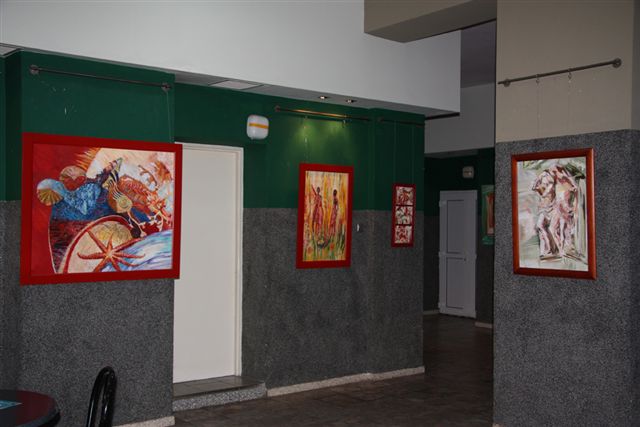 Ultimately, virtual signage for museum exhibitions provides numerous advantages, from increased engagement and accessibility to improved data collection and cost-effectiveness. As advanced technologies continue to evolve, it's likely that interactive displays will become an even more crucial part of museum experiences, offering guests new ways to engage with and learn from the exhibits on display.
Secondly, interactive displays can be easily updated and edited instantly, making it a budget-friendly solution compared to conventional physical labeling. If a new piece of information becomes available or a label needs to be corrected, interactive displays makes it simple to make changes without having to physically replace a label. This also means that galleries can experiment with new exhibit configurations and rearrange labels without having to incur additional costs.
Finally, digital labeling allows exhibitions to collect useful data about their guests and their engagement with the exhibits. By tracking hazards with interactive screens, exhibitions can acquire data into which exhibits are most well-liked, which types of information are most engaging, and how guests are using digital labels in their visit. This insights can inform future exhibit designs and help exhibitions improve their digital labeling strategies.
Extra benefit of virtual signage is accessibility. Traditional physical labels can often be troublesome for patrons with physical challenges to read or access, but digital labels can be easily adapted to meet the needs of patrons with audio-visual impairments, dyslexia, or other sensory needs. Virtual displays can also be displayed in languages other than the main language of the exhibition, making exhibits even more accessible to international visitors.
To conclude, interactive displays can be integrated with other technologies to create a seamless and immersive experience for visitors. This might involve combining digital labels with virtual reality or augmented reality experiences, or even using data from virtual displays to inform real-time notifications and recommendations for visitors.
Ultimately, virtual signage for museum exhibitions provides numerous advantages, from increased engagement and accessibility to improved data collection and cost-effectiveness. As advanced technologies continue to evolve, it's likely that interactive displays will become an even more crucial part of museum experiences, offering guests new ways to engage with and learn from the exhibits on display.댓글목록
등록된 댓글이 없습니다.

