 카톡상담
카톡상담Eco-Friendly Aspects of Using Artificial Grass Outdoors
페이지 정보
작성자 Kirsten Rous 댓글 0건 조회 10회 작성일 25-03-17 17:04본문
Conserving Water with Artificial Grass
Artificial grass is an excellent solution for conserving water, particularly in areas like Tampa, FL, where drought conditions and water restrictions are common. Traditional lawns require frequent irrigation to maintain their lush green appearance, often consuming hundreds or even thousands of gallons of water each year.
Conclusion
At Artificial Grass Pros in Tampa, FL, we believe that creating a beautiful outdoor space shouldn’t come at the expense of the environment. With artificial grass, you can enjoy a lush, green lawn without the need for excessive water usage, harmful chemicals, or frequent maintenance. Whether you’re looking to enhance the look of your home or business, artificial grass offers an eco-friendly and cost-effective solution that benefits both you and the planet.
Low Maintenance
Maintaining a natural lawn often involves extensive work, from mowing and edging to fertilizing and weeding. These tasks require time, effort, and energy, all of which have an environmental impact. Artificial grass requires minimal maintenance there’s no need for lawnmowers or other gas-powered equipment, which helps reduce your carbon footprint.The only upkeep needed is occasional cleaning, which is much less labor-intensive than caring for a natural lawn. With artificial grass, you can spend more time enjoying your outdoor space and less time on maintenance, making it a low-stress, environmentally friendly option.
 Since artificial grass requires no mowing or frequent maintenance, there is no need to use gas-powered lawn mowers, weed eaters, or blowers. This reduction in the use of fossil fuels makes artificial grass a far more eco-friendly choice, especially in regions like Tampa, FL, where energy conservation and air quality are important concerns.
 It also eliminates the need for frequent watering, helping conserve precious water resources, especially in areas prone to drought. Additionally, artificial grass reduces the carbon footprint since there is no need for lawnmowers, which emit harmful gases. By choosing artificial grass, you are making an environmentally conscious decision that not only enhances your outdoor area but also contributes to a healthier planet.
 Maintenance Benefits of Artificial Grass
Traditional lawn care requires regular energy-intensive maintenance, such as mowing, trimming, and aerating. These activities often involve the use of gas-powered equipment, which consumes fuel and produces carbon emissions. By switching to artificial grass, you can save energy and reduce your environmental impact.
 Water Conservation
Artificial grass eliminates the need for regular watering, which can be particularly valuable in areas like Tampa, FL, where water conservation is essential. Traditional lawns require frequent irrigation to remain green and healthy, but artificial grass requires no water at all. By installing artificial grass, you can save thousands of gallons of water annually, helping preserve this precious resource. In regions with water restrictions or drought conditions, artificial grass provides a practical, eco-friendly alternative that reduces water consumption without compromising the appearance of your lawn.
 Reduced Chemical Use
With natural grass lawns, artificial grass fertilizers, pesticides, and herbicides are often applied to maintain growth and keep pests at bay. These chemicals can leach into the soil, polluting waterways and harming local wildlife. Artificial grass eliminates the need for these harmful treatments, making it an environmentally safe choice. Since artificial grass is made from synthetic materials, it requires no additional chemical intervention. This not only benefits the environment but also keeps your outdoor space safer for pets, children, and plants by reducing exposure to potentially harmful substances.
 Longevity of Artificial Grass and Its Environmental Impact
One of the standout features of artificial grass is its incredible longevity. Unlike natural grass, which requires replanting, reseeding, and constant care, artificial grass is built to last for years with minimal maintenance. The durability of artificial grass means fewer resources are consumed over time.
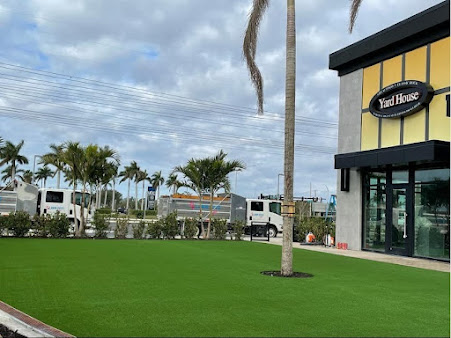 By choosing artificial grass, homeowners can drastically reduce their water usage since artificial grass does not need watering. This not only helps lower water bills but also conserves an essential resource. The eco-friendly nature of artificial grass makes it a great choice for anyone looking to contribute to water conservation efforts while still enjoying a beautiful outdoor space that looks green year-round.
Artificial grass requires little to no maintenance beyond occasional cleaning, which helps eliminate the need for gas-powered lawnmowers and other equipment. As a result, you can enjoy a beautiful, low-maintenance lawn without the added energy costs or environmental concerns that come with natural grass upkeep.
Lowering Your Carbon Footprint with Artificial Grass
Maintaining a natural lawn involves a variety of energy-intensive tasks, including mowing, edging, and trimming, all of which require gas-powered lawn equipment. These tools release harmful carbon emissions into the atmosphere, contributing to pollution and climate change. By choosing artificial grass, you can significantly reduce your carbon footprint.
Artificial grass is an excellent solution for conserving water, particularly in areas like Tampa, FL, where drought conditions and water restrictions are common. Traditional lawns require frequent irrigation to maintain their lush green appearance, often consuming hundreds or even thousands of gallons of water each year.
Conclusion
At Artificial Grass Pros in Tampa, FL, we believe that creating a beautiful outdoor space shouldn’t come at the expense of the environment. With artificial grass, you can enjoy a lush, green lawn without the need for excessive water usage, harmful chemicals, or frequent maintenance. Whether you’re looking to enhance the look of your home or business, artificial grass offers an eco-friendly and cost-effective solution that benefits both you and the planet.
Low Maintenance
Maintaining a natural lawn often involves extensive work, from mowing and edging to fertilizing and weeding. These tasks require time, effort, and energy, all of which have an environmental impact. Artificial grass requires minimal maintenance there’s no need for lawnmowers or other gas-powered equipment, which helps reduce your carbon footprint.The only upkeep needed is occasional cleaning, which is much less labor-intensive than caring for a natural lawn. With artificial grass, you can spend more time enjoying your outdoor space and less time on maintenance, making it a low-stress, environmentally friendly option.
Since artificial grass requires no mowing or frequent maintenance, there is no need to use gas-powered lawn mowers, weed eaters, or blowers. This reduction in the use of fossil fuels makes artificial grass a far more eco-friendly choice, especially in regions like Tampa, FL, where energy conservation and air quality are important concerns.It also eliminates the need for frequent watering, helping conserve precious water resources, especially in areas prone to drought. Additionally, artificial grass reduces the carbon footprint since there is no need for lawnmowers, which emit harmful gases. By choosing artificial grass, you are making an environmentally conscious decision that not only enhances your outdoor area but also contributes to a healthier planet.Maintenance Benefits of Artificial GrassTraditional lawn care requires regular energy-intensive maintenance, such as mowing, trimming, and aerating. These activities often involve the use of gas-powered equipment, which consumes fuel and produces carbon emissions. By switching to artificial grass, you can save energy and reduce your environmental impact.
Water ConservationArtificial grass eliminates the need for regular watering, which can be particularly valuable in areas like Tampa, FL, where water conservation is essential. Traditional lawns require frequent irrigation to remain green and healthy, but artificial grass requires no water at all. By installing artificial grass, you can save thousands of gallons of water annually, helping preserve this precious resource. In regions with water restrictions or drought conditions, artificial grass provides a practical, eco-friendly alternative that reduces water consumption without compromising the appearance of your lawn.
Reduced Chemical UseWith natural grass lawns, artificial grass fertilizers, pesticides, and herbicides are often applied to maintain growth and keep pests at bay. These chemicals can leach into the soil, polluting waterways and harming local wildlife. Artificial grass eliminates the need for these harmful treatments, making it an environmentally safe choice. Since artificial grass is made from synthetic materials, it requires no additional chemical intervention. This not only benefits the environment but also keeps your outdoor space safer for pets, children, and plants by reducing exposure to potentially harmful substances.
Longevity of Artificial Grass and Its Environmental ImpactOne of the standout features of artificial grass is its incredible longevity. Unlike natural grass, which requires replanting, reseeding, and constant care, artificial grass is built to last for years with minimal maintenance. The durability of artificial grass means fewer resources are consumed over time.
By choosing artificial grass, homeowners can drastically reduce their water usage since artificial grass does not need watering. This not only helps lower water bills but also conserves an essential resource. The eco-friendly nature of artificial grass makes it a great choice for anyone looking to contribute to water conservation efforts while still enjoying a beautiful outdoor space that looks green year-round.Artificial grass requires little to no maintenance beyond occasional cleaning, which helps eliminate the need for gas-powered lawnmowers and other equipment. As a result, you can enjoy a beautiful, low-maintenance lawn without the added energy costs or environmental concerns that come with natural grass upkeep.
Lowering Your Carbon Footprint with Artificial Grass
Maintaining a natural lawn involves a variety of energy-intensive tasks, including mowing, edging, and trimming, all of which require gas-powered lawn equipment. These tools release harmful carbon emissions into the atmosphere, contributing to pollution and climate change. By choosing artificial grass, you can significantly reduce your carbon footprint.
댓글목록
등록된 댓글이 없습니다.

