 카톡상담
카톡상담Guide To Fix Car Ignition: The Intermediate Guide The Steps To Fix Car…
페이지 정보
작성자 Margie Foote 댓글 0건 조회 56회 작성일 24-09-26 14:22본문
How to fix car ignition lock ignition (Bravejournal`s latest blog post) Switch Problems
 There are many reasons why your car might be running and starting, but the ignition doesn't start the spark plugs. Some are easy and cheap to fix, others require special tools and assistance from a mechanic.
Lubricate the key socket first. You can use either graphite powder or silicon aerosol spray. Also, ensure that the ignition cylinder is free of obstructions and springs that are loose.
Battery
If your car won't start it could be because the battery is dead. This is a common issue that can be resolved by charging the battery or making an electrical jump. If this doesn't solve the issue, it's possible that the ignition key replacement cost switch is not working properly. This component is responsible for transferring power from the battery to other electrical components such as the starter motor and the ignition coil. If the ignition switch is not working properly it is not able to allow current be passed through, and the engine won't begin.
The battery is responsible for all the electrical energy in your vehicle. The battery is a black, slender box with positive (+) and negative (-) terminals on the top. The terminals could get corroded, preventing the battery from supplying power to the rest the vehicle. By disconnecting the battery you can use a wire bristle to remove any corrosion. You can also apply baking soda as a solution to clean the terminals.
It is also possible that your car's battery has just reached the end of its lifespan and needs to be replaced. A new battery will supply the proper voltage to your vehicle's spark plugs which is necessary for a properly working engine.
The ignition coil is responsible for converting low voltage from the battery to high voltage that can ignite the spark plugs in your car to start the engine. If your ignition coil is defective it won't be able spark the plugs. Your engine won't start. You can test the ignition coil by checking whether there is a spark in the engine or turning the key to see if the engine turns over.
It is also possible to replace your starter motor. If you hear a grating sound when you turn the ignition key it means that the starter bearings are deteriorating. This could be a costly repair so it's recommended to replace the motor of your starter early if you notice any signs of wear and tear. Changing the starter motor is an easy process that requires replacing a few parts and bolts.
Alternator
The alternator charges your battery and powers the electrical components of your car while the engine is running. If you suspect a problem with your alternator, you must first test the battery. This will allow you to determine if your alternator draining the battery, or if your battery is old and needs replacement.
Your car's alternator also provides the power to the dash lights, windshield wipers, electric steering, power windows as well as heated seats and your radio while the vehicle is idling. A voltmeter can be utilized to check the voltage of your alternator and battery. If your battery's voltage is lower than 6 volts, it should be charged or replaced immediately. A low or dead batteries will also stop the starter from turning over the engine, and will require additional jumper cables to start your car ignition switch.
Before you begin to dismantle the Alternator, turn off the ignition and secure all doors. Remove the negative cable and store it in a safe place. Wear safety equipment. Consult a vehicle's specific repair manual to learn how to gain access to the alternator, as well as any other components you require to remove.
If your vehicle is equipped with a warning light wire, you can remove it from the back of the generator after removing the belt. The wire will be connected directly to an alternator terminal identified WL or IN. Certain vehicles, however, have a separate relay for this function. If your warning light does not blink, it's likely that you have an issue that is not related to the one you are experiencing.
The alternator is a vital component in your vehicle, and you should check it frequently for signs of problems. While you could perform some of the tests yourself, it's best to bring your vehicle into Les Schwab for a complimentary inspection and expert advice. Our technicians will test for corrosion on your battery, battery posts (+ and +) fuse, relays, and fuses as well as voltage output as well as cold starting amps and much more.
Starter Motor
The starter motor is a crucial element of the ignition system. It rotates the engine so that air can be drawn in, which is needed to ignite the fuel. It is common for the starter motor to be the cause of your car doesn't turn. There are a number of ways to troubleshoot that can help you identify the issue and fix it.
When you turn on your vehicle's ignition key, a switch in the starter engages a pinion-gear that fits into grooves in the flywheel. The pinion gear turns the flywheel that begins the engine. The gear retracts once you release the key to avoid damage.
There are many things that can go wrong with the starter motor, such as an electrical problem in the internal windings, a mechanical problem (such as teeth no longer meshing on the pinion gear or flywheel) or a dead battery. A malfunctioning starter motor may sound like a dead phone battery. It will make a clicking sound when it tries but cannot turn the engine.
The condition of the battery and the terminals of the battery will be checked by a mechanic if the starter motor doesn't work. If the battery is not fully charged or has corrosion on its terminals, it'll need to be charged or replaced.
Depending on how serious the problem is, the mechanic can also test the solenoid with a multimeter. The solenoid is a massive magnetic switch that sends a rush of power from the battery cables that are long and thick to the starter. This switch connects the bulky cable from the battery to starter's windings that turn the motor. It also triggers a rod to actuate an engaging fork which pushes the pinion to automatically engage with flywheel.
A jumper wire can be used to disable the ignition. This is a temporary option, and it isn't recommended unless you know how to do it correctly. You will need to carefully route your jumper wires to the battery terminals and make sure that the switch is in the "Start position".
Ignition Switch
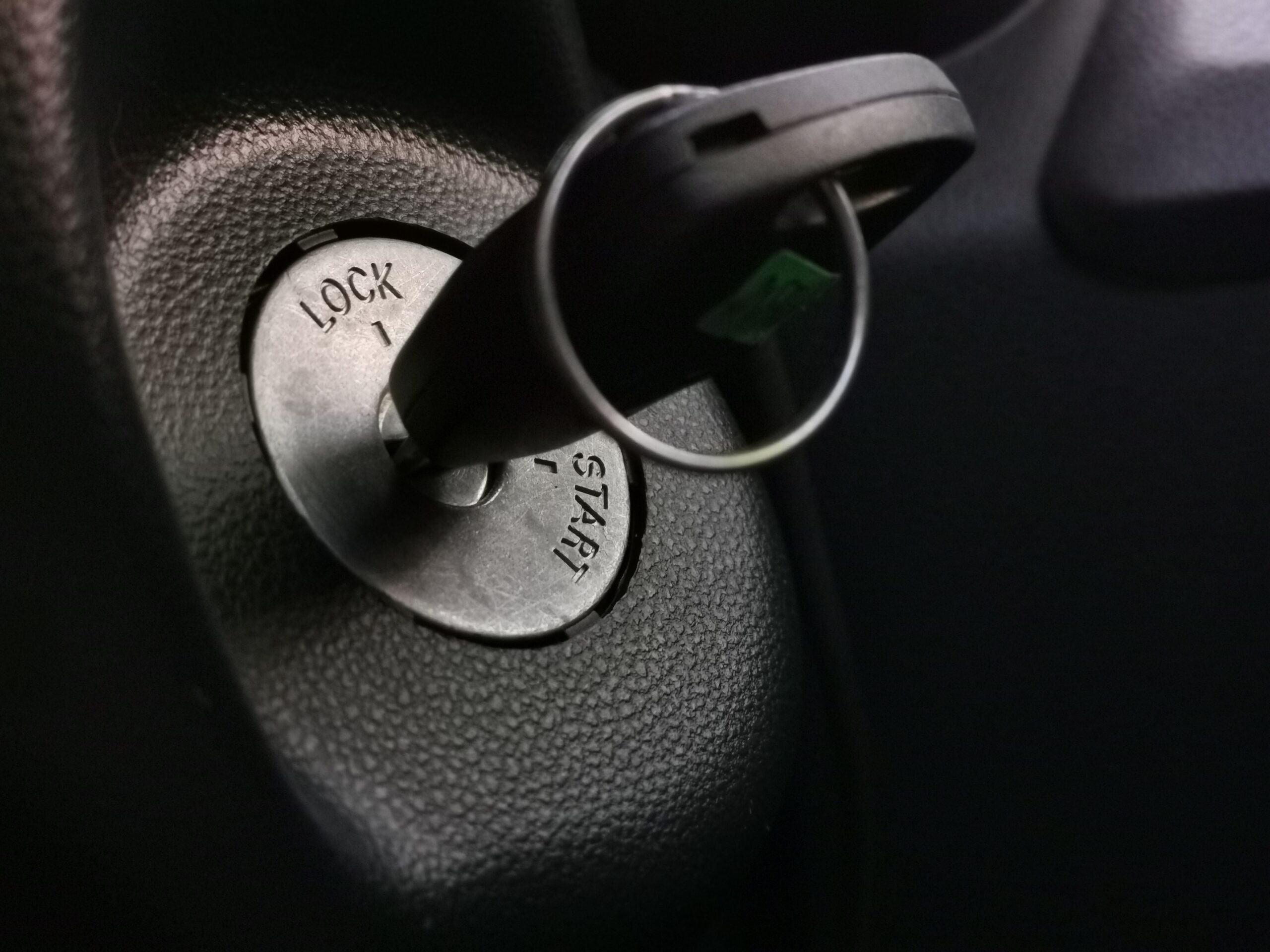
The ignition switch is the place where you insert your car key. This allows the system to enable electrical flow to your starter and start up the engine, however it's not immune from wear and tear like other car ignition replacement near me components. The switch can also become stuck in its slot or locked. It is important to check it frequently for issues so you can take action prior to the car not starting.
It could be locked if the key is difficult to turn or becomes stuck in the ignition. This is a typical issue for a variety of vehicles and occurs due to a lack lubrication. Using a silicone or graphite-based lubricant on the release pin can help. Spray a small amount into the ignition and then try moving the key. If you're stuck you can try using a piler or hacksaw blade.
A problem with the ignition may cause other issues. The anti-theft feature could not function or the starter motor might not be able to turn on when you insert the key. It could also cause other functions to cease functioning or not work at all.
A failing ignition can also cause additional wear and tear to other parts. For instance, if have a large keychain, or several items on your keychain it could strain the ignition switch when you insert it in and accelerate the wear and tear on its internal components. Extreme temperature fluctuations can also affect the materials and lubricants in the ignition switch.
If you've purchased a replacement ignition switch, it's important to test it prior to assembling the steering column and other components. Check that the replacement is working and that the engine is running without issue. Verify the compatibility of the new ignition switch with the vehicle's model and make. It could be worth it to get a dealership to install the ignition switch for you, if you aren't confident in your ability to install it. They can also test and connect any other parts or even replace them.
There are many reasons why your car might be running and starting, but the ignition doesn't start the spark plugs. Some are easy and cheap to fix, others require special tools and assistance from a mechanic.Lubricate the key socket first. You can use either graphite powder or silicon aerosol spray. Also, ensure that the ignition cylinder is free of obstructions and springs that are loose.
Battery
If your car won't start it could be because the battery is dead. This is a common issue that can be resolved by charging the battery or making an electrical jump. If this doesn't solve the issue, it's possible that the ignition key replacement cost switch is not working properly. This component is responsible for transferring power from the battery to other electrical components such as the starter motor and the ignition coil. If the ignition switch is not working properly it is not able to allow current be passed through, and the engine won't begin.
The battery is responsible for all the electrical energy in your vehicle. The battery is a black, slender box with positive (+) and negative (-) terminals on the top. The terminals could get corroded, preventing the battery from supplying power to the rest the vehicle. By disconnecting the battery you can use a wire bristle to remove any corrosion. You can also apply baking soda as a solution to clean the terminals.
It is also possible that your car's battery has just reached the end of its lifespan and needs to be replaced. A new battery will supply the proper voltage to your vehicle's spark plugs which is necessary for a properly working engine.
The ignition coil is responsible for converting low voltage from the battery to high voltage that can ignite the spark plugs in your car to start the engine. If your ignition coil is defective it won't be able spark the plugs. Your engine won't start. You can test the ignition coil by checking whether there is a spark in the engine or turning the key to see if the engine turns over.
It is also possible to replace your starter motor. If you hear a grating sound when you turn the ignition key it means that the starter bearings are deteriorating. This could be a costly repair so it's recommended to replace the motor of your starter early if you notice any signs of wear and tear. Changing the starter motor is an easy process that requires replacing a few parts and bolts.
Alternator
The alternator charges your battery and powers the electrical components of your car while the engine is running. If you suspect a problem with your alternator, you must first test the battery. This will allow you to determine if your alternator draining the battery, or if your battery is old and needs replacement.
Your car's alternator also provides the power to the dash lights, windshield wipers, electric steering, power windows as well as heated seats and your radio while the vehicle is idling. A voltmeter can be utilized to check the voltage of your alternator and battery. If your battery's voltage is lower than 6 volts, it should be charged or replaced immediately. A low or dead batteries will also stop the starter from turning over the engine, and will require additional jumper cables to start your car ignition switch.
Before you begin to dismantle the Alternator, turn off the ignition and secure all doors. Remove the negative cable and store it in a safe place. Wear safety equipment. Consult a vehicle's specific repair manual to learn how to gain access to the alternator, as well as any other components you require to remove.
If your vehicle is equipped with a warning light wire, you can remove it from the back of the generator after removing the belt. The wire will be connected directly to an alternator terminal identified WL or IN. Certain vehicles, however, have a separate relay for this function. If your warning light does not blink, it's likely that you have an issue that is not related to the one you are experiencing.
The alternator is a vital component in your vehicle, and you should check it frequently for signs of problems. While you could perform some of the tests yourself, it's best to bring your vehicle into Les Schwab for a complimentary inspection and expert advice. Our technicians will test for corrosion on your battery, battery posts (+ and +) fuse, relays, and fuses as well as voltage output as well as cold starting amps and much more.
Starter Motor
The starter motor is a crucial element of the ignition system. It rotates the engine so that air can be drawn in, which is needed to ignite the fuel. It is common for the starter motor to be the cause of your car doesn't turn. There are a number of ways to troubleshoot that can help you identify the issue and fix it.
When you turn on your vehicle's ignition key, a switch in the starter engages a pinion-gear that fits into grooves in the flywheel. The pinion gear turns the flywheel that begins the engine. The gear retracts once you release the key to avoid damage.
There are many things that can go wrong with the starter motor, such as an electrical problem in the internal windings, a mechanical problem (such as teeth no longer meshing on the pinion gear or flywheel) or a dead battery. A malfunctioning starter motor may sound like a dead phone battery. It will make a clicking sound when it tries but cannot turn the engine.
The condition of the battery and the terminals of the battery will be checked by a mechanic if the starter motor doesn't work. If the battery is not fully charged or has corrosion on its terminals, it'll need to be charged or replaced.
Depending on how serious the problem is, the mechanic can also test the solenoid with a multimeter. The solenoid is a massive magnetic switch that sends a rush of power from the battery cables that are long and thick to the starter. This switch connects the bulky cable from the battery to starter's windings that turn the motor. It also triggers a rod to actuate an engaging fork which pushes the pinion to automatically engage with flywheel.
A jumper wire can be used to disable the ignition. This is a temporary option, and it isn't recommended unless you know how to do it correctly. You will need to carefully route your jumper wires to the battery terminals and make sure that the switch is in the "Start position".
Ignition Switch
The ignition switch is the place where you insert your car key. This allows the system to enable electrical flow to your starter and start up the engine, however it's not immune from wear and tear like other car ignition replacement near me components. The switch can also become stuck in its slot or locked. It is important to check it frequently for issues so you can take action prior to the car not starting.
It could be locked if the key is difficult to turn or becomes stuck in the ignition. This is a typical issue for a variety of vehicles and occurs due to a lack lubrication. Using a silicone or graphite-based lubricant on the release pin can help. Spray a small amount into the ignition and then try moving the key. If you're stuck you can try using a piler or hacksaw blade.
A problem with the ignition may cause other issues. The anti-theft feature could not function or the starter motor might not be able to turn on when you insert the key. It could also cause other functions to cease functioning or not work at all.
A failing ignition can also cause additional wear and tear to other parts. For instance, if have a large keychain, or several items on your keychain it could strain the ignition switch when you insert it in and accelerate the wear and tear on its internal components. Extreme temperature fluctuations can also affect the materials and lubricants in the ignition switch.
If you've purchased a replacement ignition switch, it's important to test it prior to assembling the steering column and other components. Check that the replacement is working and that the engine is running without issue. Verify the compatibility of the new ignition switch with the vehicle's model and make. It could be worth it to get a dealership to install the ignition switch for you, if you aren't confident in your ability to install it. They can also test and connect any other parts or even replace them.
댓글목록
등록된 댓글이 없습니다.

