 카톡상담
카톡상담Guide To Single Origin Arabica Coffee Beans: The Intermediate Guide Th…
페이지 정보
작성자 Christoper Gird… 댓글 0건 조회 6회 작성일 24-09-24 19:28본문
Single Origin Arabica Coffee Beans
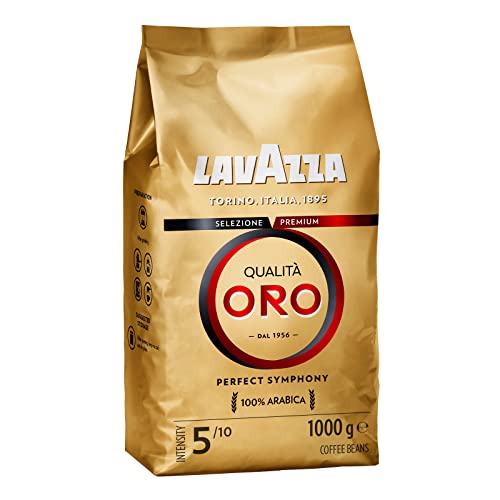 Single origin coffee beans originate specific to a particular region and from a specific producer. They differ from blends and all-year-round coffees. They also have a different taste and aroma than Robusta beans.
These coffees are sweet and floral, with a dry wine-like taste. They are typically grown at higher elevations.
Origin
If you see "single-origin" on the label of a coffee, it indicates that the beans come from a specific place. It could be as general as the country of origin, or more specific, such as the region within that specific country or a micro-lot that is produced by a specific farm or co-op. You'll also see the term "varietal" on certain coffee labels, which simply refers to the kind of coffee plant (Coffea arabica) from which the beans were sourced from.
The taste and flavor of a cup of coffee are influenced by many factors, including bean variety, growing conditions roast level, as well as the the method of brewing. If you're looking for a satisfying and rich cup of coffee, the source is one of the most important factors to consider. Single origin arabica coffees offer a wide range of flavors that can satisfy a diverse palate.
Arabica coffee is primarily produced in two regions of the world: Ethiopia, and Yemen. The major genetic diversity of the arabica species can be traced back to these two regions. From there coffee trees were cultivated out of these two countries and around the world to form dozens of cultivated varieties. The Bourbon and Typica are two of the most well-known varieties, and they form the foundation of the modern arabica cultivation.
In order to be considered solely originating from one source beans, they must originate from a particular area that produces excellent arabica beans. The soil the climate, elevation, and weather of the coffee-growing region all affect its taste and smell. As with champagne or a fine wine the location where a wine was grown is always reflected in the flavor and aroma of the final product. Specialty coffee roasters prefer single origin beans as they can display the full variety of characteristics can be used by a farmer.
Single origin coffees can be found in blends or as a stand-alone. Blends are created to achieve an equilibrium of flavors, and can consist of combinations of various kinds of coffee from different regions. One good example of a blend is mocha-java, composed of two distinct single-source coffees from Mocha, Yemen and Java, Indonesia.
Varieties
The word "varietal", when used in coffee, could be confusing for the average consumer. It can be used to mean anything from a coffee plant variety (Coffea Arabicica) to a bean type (wet or dried). The term "single origin" is different, and means that all coffee beans in a bag were grown in the same conditions at a specific farm. Some of the best coffees around have been sourced from farms that have been designated as single-origin which includes our Ethiopian Baarbara Estate, which we roast and offer.
Coffea arabica is the main source of coffee throughout the world. It requires a specific soil and climatic conditions to thrive. They typically thrive in high-altitude regions and prefer light shade with steady rainfall and moderate temperatures. These trees are small and easy to harvest.
There are many different varieties of coffee plants each with its own flavor profile. Robusta is a sturdy and resilient tree that thrives well at low altitudes and requires less water than versatile arabica coffee beans plants. It is often blended with arabica in commercial blends.
Today's consumers prefer arabica over the Robusta that was used in some of the first coffees. Single-origin Arabica is typically more desirable because it gives an easier and more precise view of the beans that are used in your cup of coffee.
If you are a coffee connoisseur you will need to test a variety of single-origin options in each region to find one that is a good match for your preferences. This is easier to do than it sounds, since each region has coffees with distinct taste profiles.
If you're a lover of the cocoa-heavy, earthy flavors of Central and South America, for example look into an Ethiopian cultivar that is an heirloom. These wild, naturally occurring cultivars can exhibit wine-like or floral characteristics paired with fresh acids and distinctive fruity tastes. In contrast, a Kenyan heirloom cultivar can provide citrusy and tropical notes. These cultivars can be crossed with other varieties to produce F1 hybrids. These offspring provide the best of both parents in terms of taste, pest resistance and disease resistance.
Flavors
As an avid coffee drinker that organic arabica coffee beans beans from single origin are coveted for their distinct and unique flavors. The popular bean produces a more acidic and flavorful brew than other coffee types. The taste of a coffee cup is influenced by a variety of factors, such as the variety of beans, conditions for growth and the processing methods.
Coffee roasters and producers are becoming increasingly aware of the way their purchases affect the livelihoods of coffee farmers. This awareness has led to an increasing preference for single-origin coffees as well as a greater emphasis on transparency in production practices. The specialty coffee industry has also brought more focus to the Terroir, or the specific flavor characteristics that are unique to each area where coffee is produced.
The quality of a single-origin coffee is contingent on many variables such as its variety, the conditions of growing and brewing methods. These factors can impact the brew's aroma, taste and acidity. The roasting method used influences the flavor and body of a coffee. For example, lighter roasts are often more flavorful and less acidic while darker roasts can be more savory and full-bodied.
The geographical location of a coffee's production can also affect its taste. For instance, single-origin java from Central America is known for its tastes of chocolate fruit, citrus, and chocolate as well as its smooth texture. The beans from Central America specifically are cultivated at high altitudes and on volcanic soils, which helps to intensify and enhance their flavors.
Geisha beans are an exotic single-origin type of coffee. They are only grown in a handful of farms in Ethiopia and Panama. These expensive and rare beans are known for their long leaves that are long and elongated. They offer greater resistance to diseases. Geisha beans also have a milder taste and higher levels of caffeine than other varieties due to the fact that they are harvested at lower elevations.
It is recommended to sample a few single-origin beans in order to experience the full spectrum of flavors. Begin by narrowing down your search to a specific region, and then explore beans from individual farms within the region to find one that is most compatible with your preferences.
Blends
The region of origin is the key to determining the flavor of coffee. Single-origin coffees are beans that are grown only in a single geographical area. This could be a particular country or region, or a single estate. Single-origin coffees are not mixed with other coffees from different regions. This allows the unique particular characteristics of the single-origin coffee to be highlighted.
In recent years, single-origin beans have been gaining popularity as coffee drinkers became more interested in exploring different countries and regions. It's not difficult to see why the coffees that come from a single region provide a taste that is exotic and unique, with a flavor profile that is distinct from the typical blends that are served in cafes for centuries.
When selecting a single origin, consider the season and the method of processing. These elements will have a massive impact on the flavor and aroma of the coffee, which will affect the flavors that are present. Washed coffees tend to be clean and bright, with a refreshing acidity, whereas natural-processed beans can have rich, floral or earthy notes. Honey-processed coffees are the best choice for those with sweeter tastes because of their subtle sweetness.
Your personal taste preferences is a crucial aspect to take into consideration when selecting a single-origin. If you're not sure of what you like, you can try out different single-origins until you find the one that is best for your preferences.
Single-origin arabica coffee beans direct from the source beans are available from numerous regions and countries around the world, and offer a range of unique flavors and aromas. The care taken in cultivating and processing these beans yields a unique coffee that is top-quality and is enjoyed by all from coffee connoisseurs to those who are just beginning. Single-origin beans also promote fair trade practices, which ensure that farmers receive the compensation they deserve and the quality of the products is maintained. So, you should take a sip of single-origin arabica coffee regardless of whether you like it in the morning or after eating. You won't regret it.
Single origin coffee beans originate specific to a particular region and from a specific producer. They differ from blends and all-year-round coffees. They also have a different taste and aroma than Robusta beans.These coffees are sweet and floral, with a dry wine-like taste. They are typically grown at higher elevations.
Origin
If you see "single-origin" on the label of a coffee, it indicates that the beans come from a specific place. It could be as general as the country of origin, or more specific, such as the region within that specific country or a micro-lot that is produced by a specific farm or co-op. You'll also see the term "varietal" on certain coffee labels, which simply refers to the kind of coffee plant (Coffea arabica) from which the beans were sourced from.
The taste and flavor of a cup of coffee are influenced by many factors, including bean variety, growing conditions roast level, as well as the the method of brewing. If you're looking for a satisfying and rich cup of coffee, the source is one of the most important factors to consider. Single origin arabica coffees offer a wide range of flavors that can satisfy a diverse palate.
Arabica coffee is primarily produced in two regions of the world: Ethiopia, and Yemen. The major genetic diversity of the arabica species can be traced back to these two regions. From there coffee trees were cultivated out of these two countries and around the world to form dozens of cultivated varieties. The Bourbon and Typica are two of the most well-known varieties, and they form the foundation of the modern arabica cultivation.
In order to be considered solely originating from one source beans, they must originate from a particular area that produces excellent arabica beans. The soil the climate, elevation, and weather of the coffee-growing region all affect its taste and smell. As with champagne or a fine wine the location where a wine was grown is always reflected in the flavor and aroma of the final product. Specialty coffee roasters prefer single origin beans as they can display the full variety of characteristics can be used by a farmer.
Single origin coffees can be found in blends or as a stand-alone. Blends are created to achieve an equilibrium of flavors, and can consist of combinations of various kinds of coffee from different regions. One good example of a blend is mocha-java, composed of two distinct single-source coffees from Mocha, Yemen and Java, Indonesia.
Varieties
The word "varietal", when used in coffee, could be confusing for the average consumer. It can be used to mean anything from a coffee plant variety (Coffea Arabicica) to a bean type (wet or dried). The term "single origin" is different, and means that all coffee beans in a bag were grown in the same conditions at a specific farm. Some of the best coffees around have been sourced from farms that have been designated as single-origin which includes our Ethiopian Baarbara Estate, which we roast and offer.
Coffea arabica is the main source of coffee throughout the world. It requires a specific soil and climatic conditions to thrive. They typically thrive in high-altitude regions and prefer light shade with steady rainfall and moderate temperatures. These trees are small and easy to harvest.
There are many different varieties of coffee plants each with its own flavor profile. Robusta is a sturdy and resilient tree that thrives well at low altitudes and requires less water than versatile arabica coffee beans plants. It is often blended with arabica in commercial blends.
Today's consumers prefer arabica over the Robusta that was used in some of the first coffees. Single-origin Arabica is typically more desirable because it gives an easier and more precise view of the beans that are used in your cup of coffee.
If you are a coffee connoisseur you will need to test a variety of single-origin options in each region to find one that is a good match for your preferences. This is easier to do than it sounds, since each region has coffees with distinct taste profiles.
If you're a lover of the cocoa-heavy, earthy flavors of Central and South America, for example look into an Ethiopian cultivar that is an heirloom. These wild, naturally occurring cultivars can exhibit wine-like or floral characteristics paired with fresh acids and distinctive fruity tastes. In contrast, a Kenyan heirloom cultivar can provide citrusy and tropical notes. These cultivars can be crossed with other varieties to produce F1 hybrids. These offspring provide the best of both parents in terms of taste, pest resistance and disease resistance.
Flavors
As an avid coffee drinker that organic arabica coffee beans beans from single origin are coveted for their distinct and unique flavors. The popular bean produces a more acidic and flavorful brew than other coffee types. The taste of a coffee cup is influenced by a variety of factors, such as the variety of beans, conditions for growth and the processing methods.
Coffee roasters and producers are becoming increasingly aware of the way their purchases affect the livelihoods of coffee farmers. This awareness has led to an increasing preference for single-origin coffees as well as a greater emphasis on transparency in production practices. The specialty coffee industry has also brought more focus to the Terroir, or the specific flavor characteristics that are unique to each area where coffee is produced.
The quality of a single-origin coffee is contingent on many variables such as its variety, the conditions of growing and brewing methods. These factors can impact the brew's aroma, taste and acidity. The roasting method used influences the flavor and body of a coffee. For example, lighter roasts are often more flavorful and less acidic while darker roasts can be more savory and full-bodied.
The geographical location of a coffee's production can also affect its taste. For instance, single-origin java from Central America is known for its tastes of chocolate fruit, citrus, and chocolate as well as its smooth texture. The beans from Central America specifically are cultivated at high altitudes and on volcanic soils, which helps to intensify and enhance their flavors.
Geisha beans are an exotic single-origin type of coffee. They are only grown in a handful of farms in Ethiopia and Panama. These expensive and rare beans are known for their long leaves that are long and elongated. They offer greater resistance to diseases. Geisha beans also have a milder taste and higher levels of caffeine than other varieties due to the fact that they are harvested at lower elevations.
It is recommended to sample a few single-origin beans in order to experience the full spectrum of flavors. Begin by narrowing down your search to a specific region, and then explore beans from individual farms within the region to find one that is most compatible with your preferences.
Blends
The region of origin is the key to determining the flavor of coffee. Single-origin coffees are beans that are grown only in a single geographical area. This could be a particular country or region, or a single estate. Single-origin coffees are not mixed with other coffees from different regions. This allows the unique particular characteristics of the single-origin coffee to be highlighted.
In recent years, single-origin beans have been gaining popularity as coffee drinkers became more interested in exploring different countries and regions. It's not difficult to see why the coffees that come from a single region provide a taste that is exotic and unique, with a flavor profile that is distinct from the typical blends that are served in cafes for centuries.
When selecting a single origin, consider the season and the method of processing. These elements will have a massive impact on the flavor and aroma of the coffee, which will affect the flavors that are present. Washed coffees tend to be clean and bright, with a refreshing acidity, whereas natural-processed beans can have rich, floral or earthy notes. Honey-processed coffees are the best choice for those with sweeter tastes because of their subtle sweetness.
Your personal taste preferences is a crucial aspect to take into consideration when selecting a single-origin. If you're not sure of what you like, you can try out different single-origins until you find the one that is best for your preferences.
Single-origin arabica coffee beans direct from the source beans are available from numerous regions and countries around the world, and offer a range of unique flavors and aromas. The care taken in cultivating and processing these beans yields a unique coffee that is top-quality and is enjoyed by all from coffee connoisseurs to those who are just beginning. Single-origin beans also promote fair trade practices, which ensure that farmers receive the compensation they deserve and the quality of the products is maintained. So, you should take a sip of single-origin arabica coffee regardless of whether you like it in the morning or after eating. You won't regret it.
댓글목록
등록된 댓글이 없습니다.

